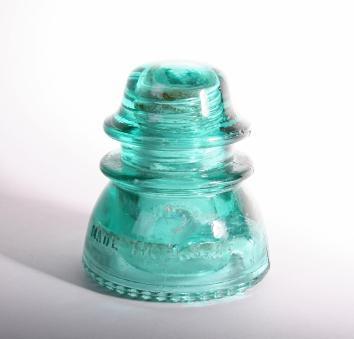
Collecting insulators is a fun and unique hobby that will allow you to learn much about the history and make of these unique objects.
Ceramic insulator identification.
Dry process mine insulators with this marking u 98 were possibly made by american porcelain co.
In the mid 1960 s a few people began collecting these glass and porcelain insulators.
Return to the national insulator association page.
The u chart was developed by jack tod and published in 1971 porcelain insulators guide book for collectors his 3rd edition book was published in 1988.
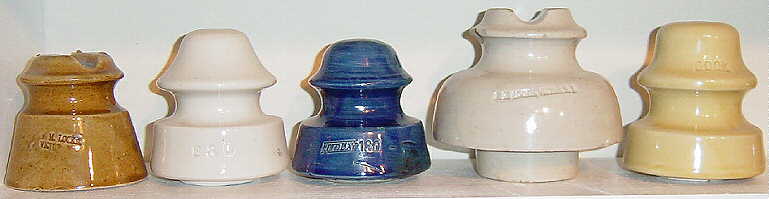
Click on an insulator above for more information.
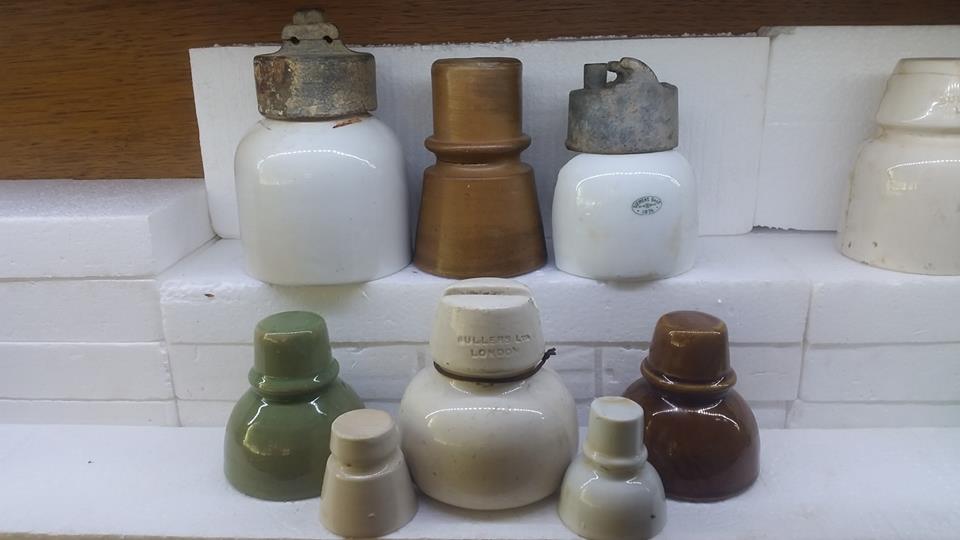
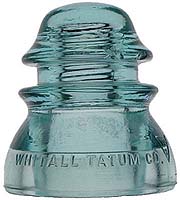
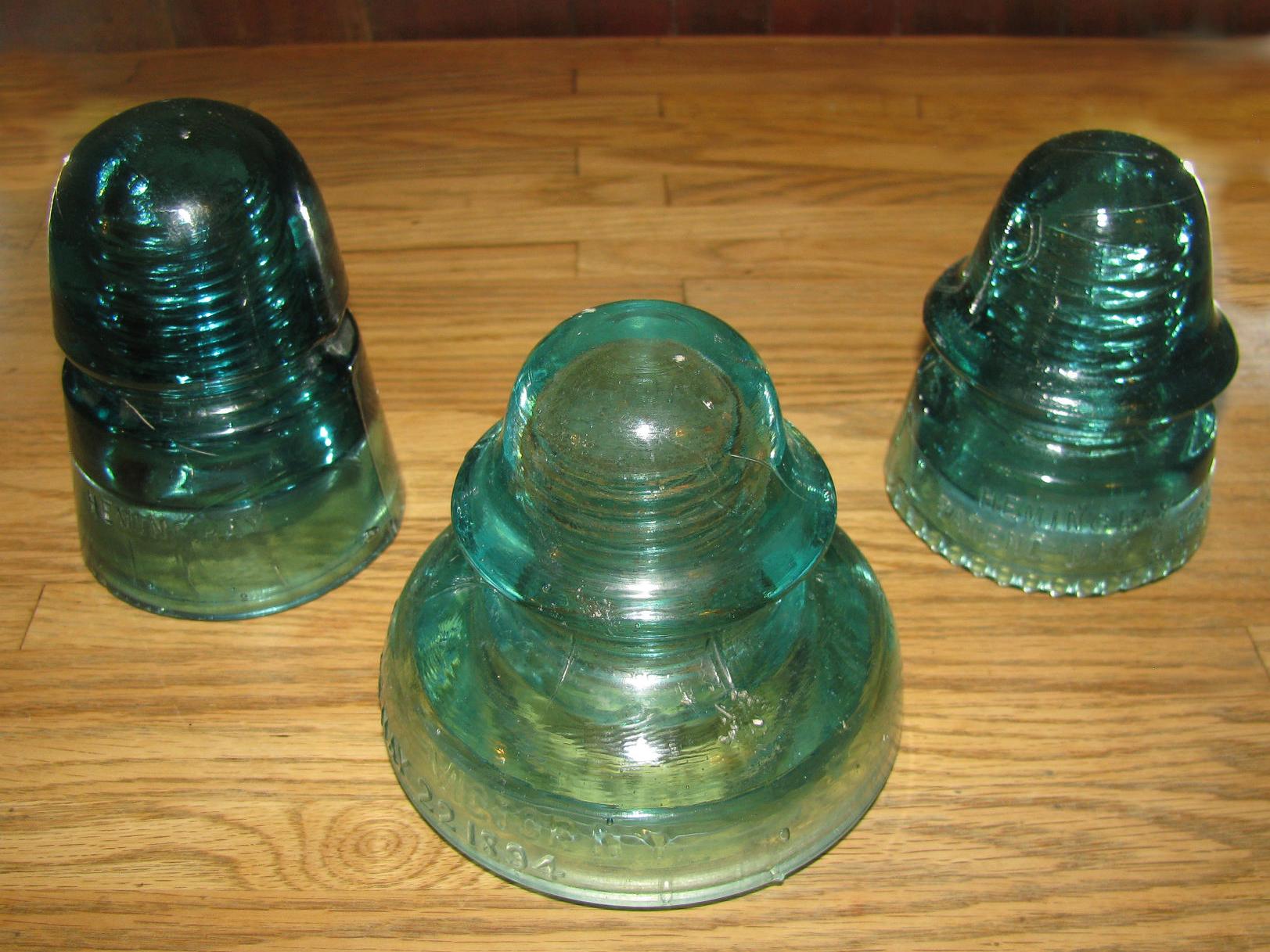
Vintage insulators are most commonly made out of porcelain or glass materials and they come in a wide variety of colors and shapes making each item a unique piece that can make a great addition to a collection.
Link to other types of insulators.
Different fonts and sizes of letters and numbers were used.
Paul greaves spent countless hours verifying the many different fred locke markings on porcelain insulators.
Found on porcelain insulators.
2 vintage brown ceramic porcelain insulators locke thomas.
Jobber of electrical supplies.
Make offer 2 vintage brown ceramic porcelain insulators locke thomas thomas insulator saddle back ceramic vintage 5 22 00 8 20 shipping.
Go back to main page.
In north america glass was always the predominate material for communications insulators but porcelain has become the standard for power distribution due to its greater strength and surface resistance.
As technology developed insulators were needed for telephone lines electric power lines and other applications.
The 55 4 is the ansi style.
Cook porcelain insulator corp.
Glass insulators were first produced in the 1850 s for use with telegraph lines.
Cooper power systems the 99335 may be a catalog number.
Today there are over 2000 collectors and insulator clubs national shows and good reference books are available.
There are a large variety of insulators in existence.
Evidently the 1 to 4 line marking stamp did not securely hold the individual letters and numbers and sometimes a few letters shifted.
Collectors interest has been focused on some specific areas and style numbers have been created to assist in identification and cataloging styles.
Similar to their glass counterparts porcelain insulators date back to before the civil war for telegraph wires.