400 to 500 miles of moderate driving is recommended.
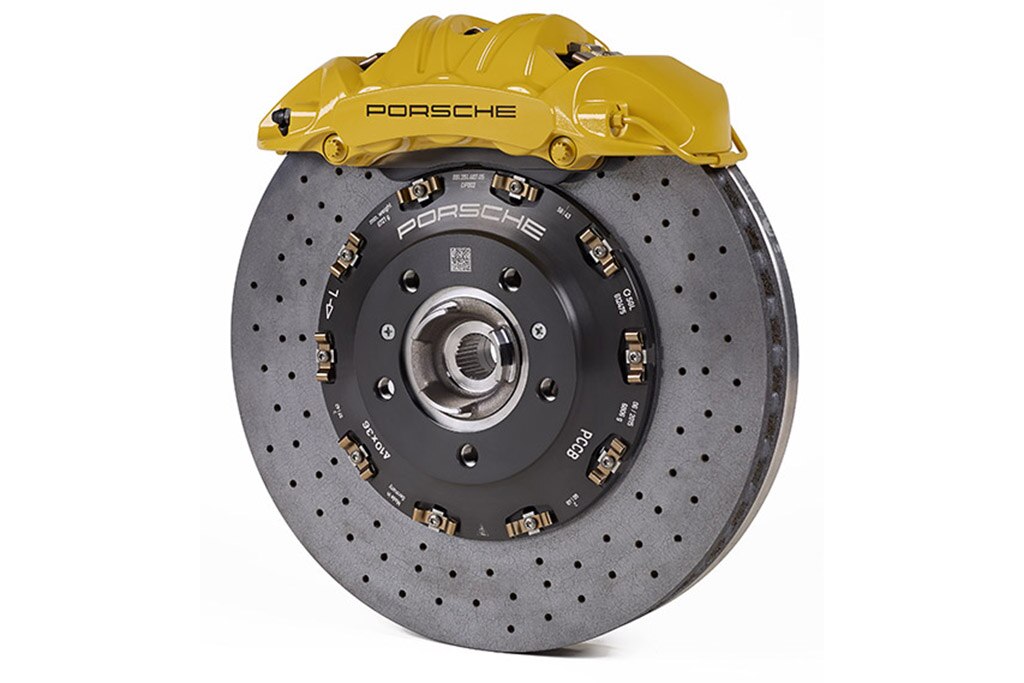
Ceramic brakes break in period.
Semi metallic fully metallic and to.
The process works to put a layer of material onto the friction surface of the rotor from the brake pad.
It is critical to follow cool down procedures to avoid damaging nao ceramic and semi met friction material as well as the rotor drum.
Consumer should avoid heavy braking during this period.
Metallic brake pads are comprised of anywhere between 30 and 70.
Known by some as the bedding in process breaking in the pads should be done any time new ceramic brake pads are installed or when purchasing a new car.
Breaking in new ceramic brake pads is an important procedure that is needed to maximize their performance according to experts.
Following the proper break in procedure for new brake pads rotors using the pad bedding procedure as follows.
The process involves being.
This layer known as a transfer layer enhances the friction generating properties of your pads and rotors improving your brakes performance and extending their lifespan.
No high speed stops and or braking under heavy loads that could result in glazed or otherwise damaged linings.
If you despise having to clean the brake dust off of your wheels every week consider ceramic brake pads for their low brake dust buildup.
Simply put the bed in process aka break in conditioning or burnishing deposits an even layer of material from the brake pad onto the friction surface of the disc rotor.
Editor s pick for rear brake pads.
Proper pad bedding can prevent rotor warping.
The break in procedure is critical to brake performance.
Lastly ceramic brake pads aren t considered the best choice for extreme driving conditions such as very cold climates or racing conditions.
Once those brake pads and rotors are mounted it is essential to properly break them in.
The reason for a proper break in is to establish an even layer of friction material deposited on the rotors from the brake.
It seems like an obvious thing but galvanized steel is a rarity in the brake pad world.
The only surefire cure for most brake noise problems is to replace the pads nao and ceramic pads are typically quieter than semi metallic pads resurface or replace the rotors a nondirectional finish helps reduce noise replace worn missing or corroded disc brake hardware such as pad mounting clips and anti rattle shims and to lubricate.
In a safe area apply brakes moderately from 60mph to 30mph and then drive approximately 1 2 mile to allow the brakes to cool.
Consumer should avoid heavy braking during this period.
Bedding in commonly known as breaking in new brake pads and rotors is necessary for new brakes to work properly.