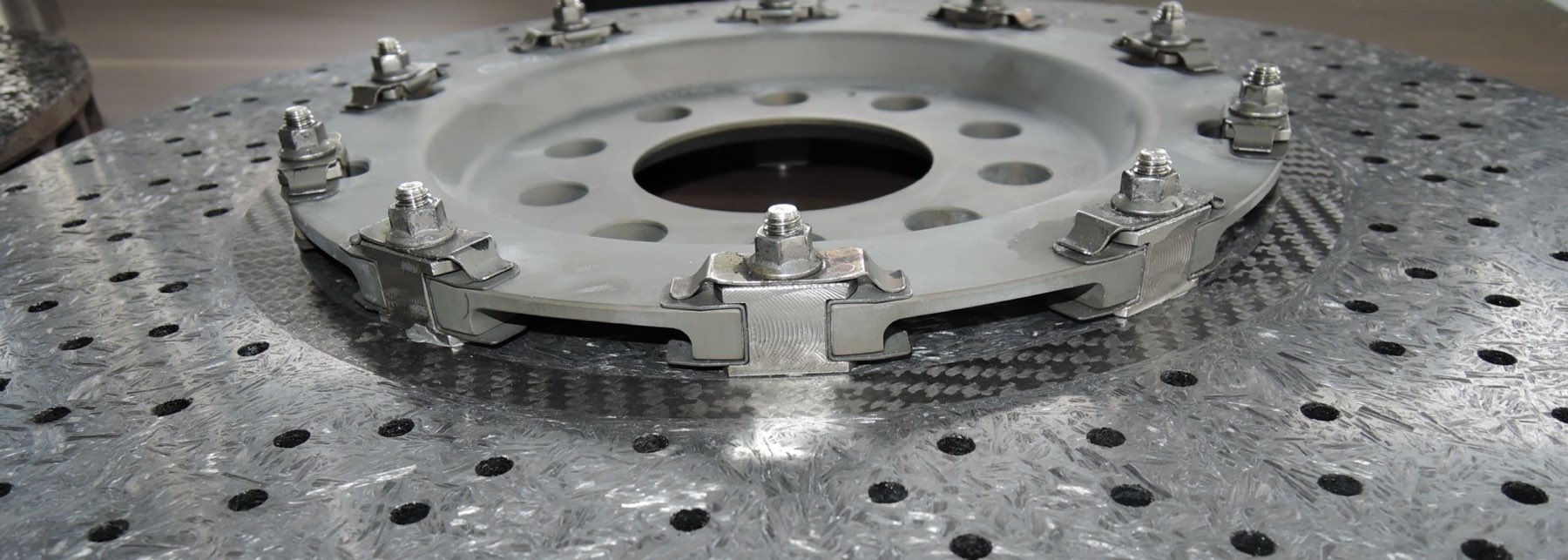
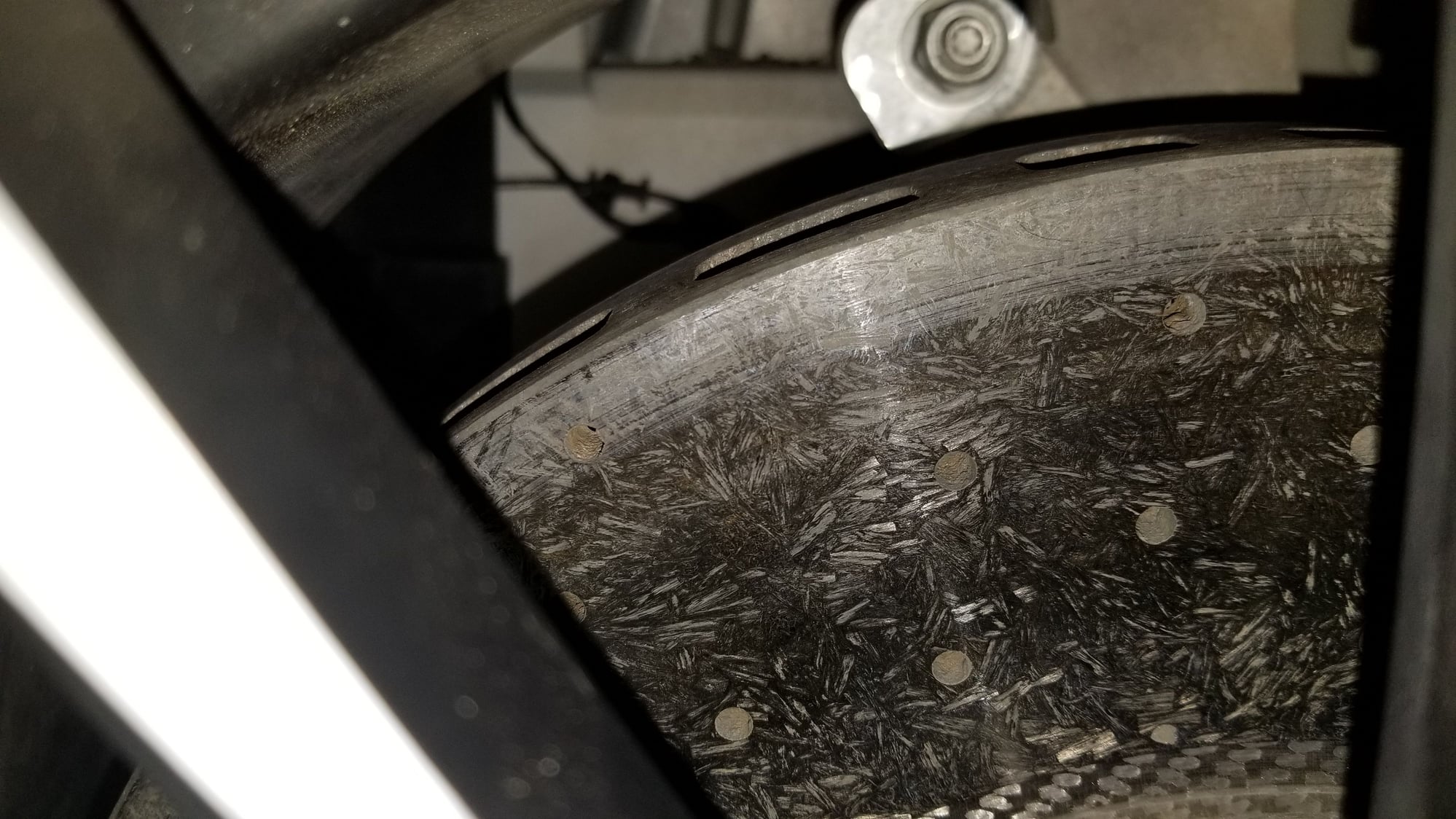
Carbon fibre comes in many forms.
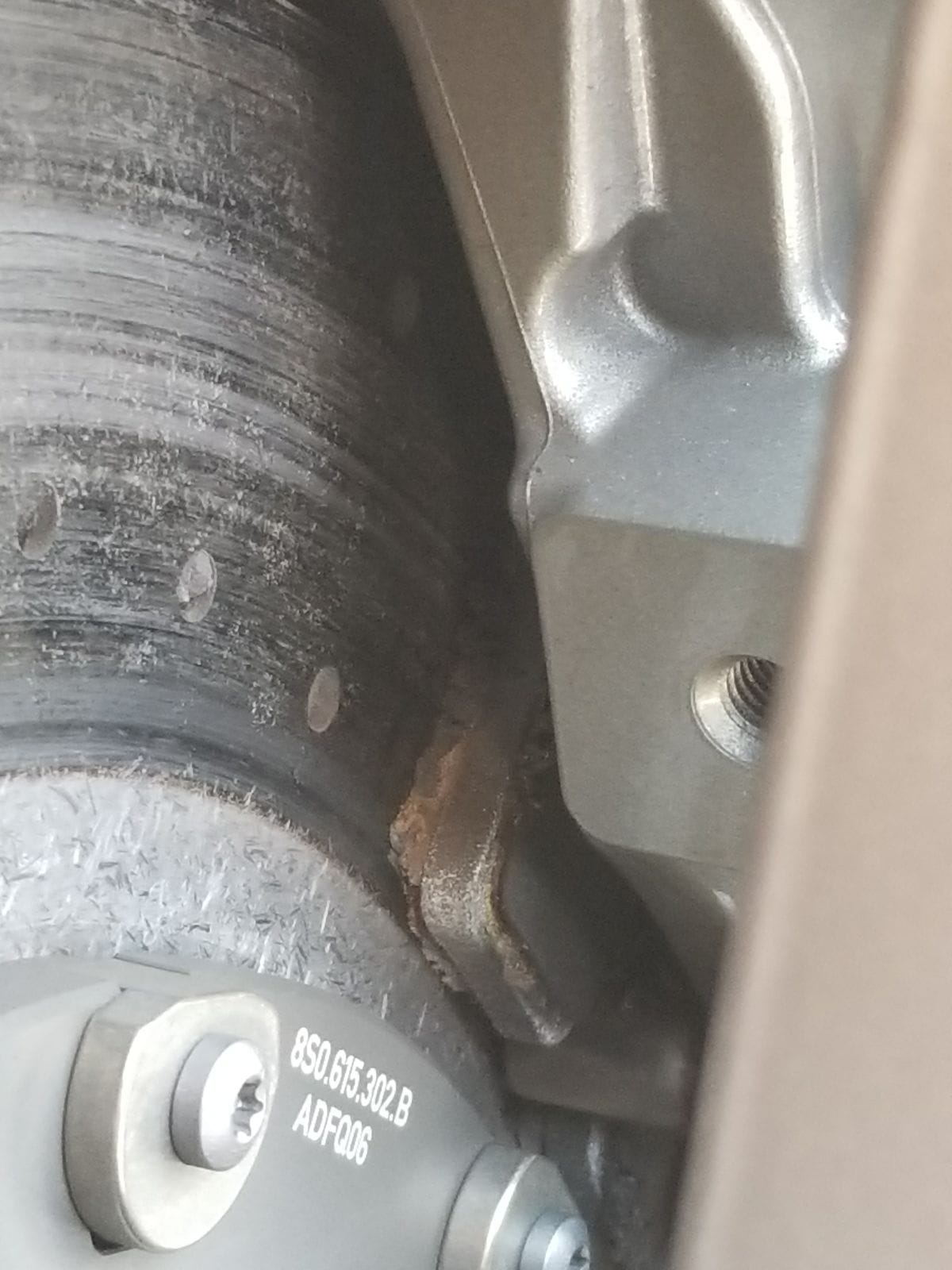
Ceramic brake disc failure.
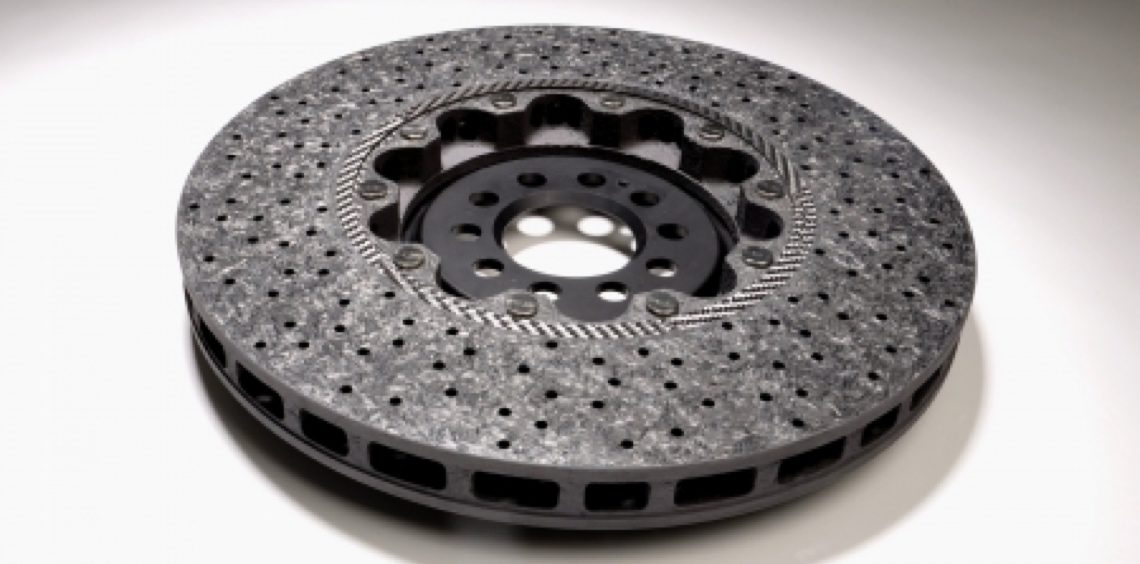
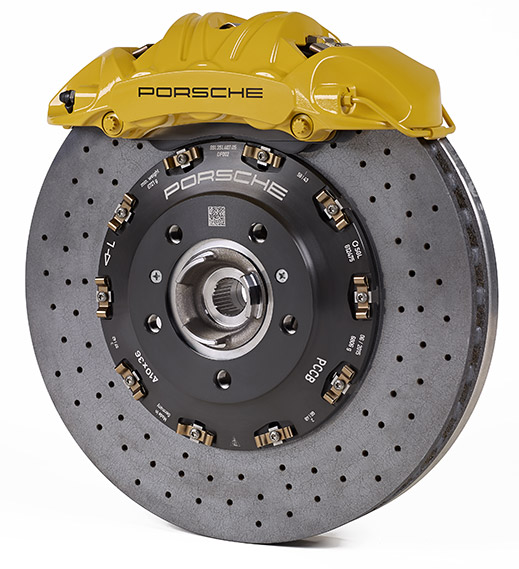
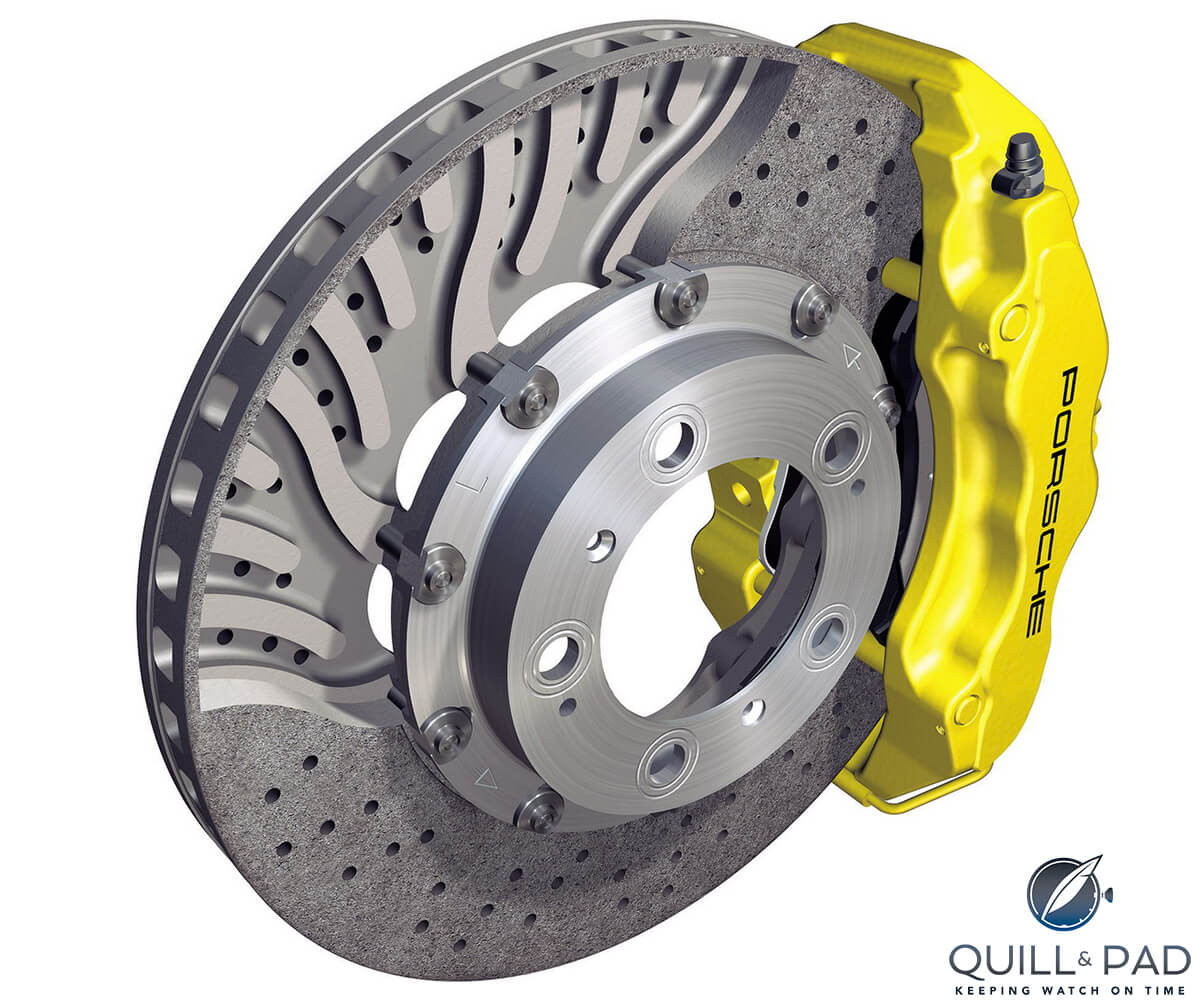
This energy needs to be dispersed if the system is to avoid overheating and carbon ceramic brake discs perform this job especially well.
A disc brake is a type of brake that uses the calipers to squeeze pairs of pads against a disc or rotor to create friction.
There s a right way and a wrong way to do anything and through the thick storm of relentless marketing hype that line can get a little blurred.
What are the best brake pads in 2020.
Most importantly ceramic brake pads are more resistant to heat which also preserves the life of your brakes too.
Manufacture process of carbon ceramic brakes.
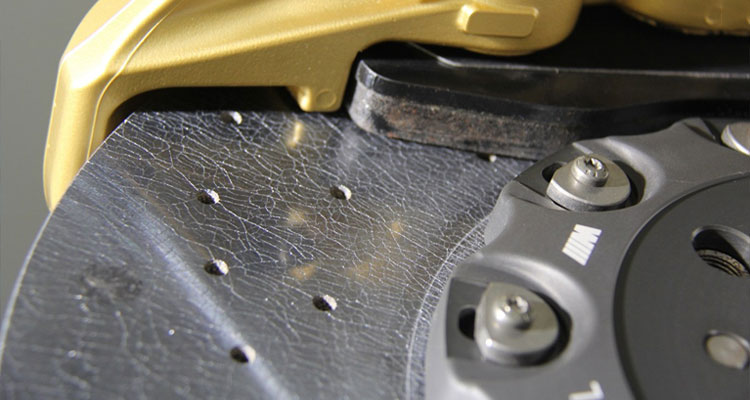
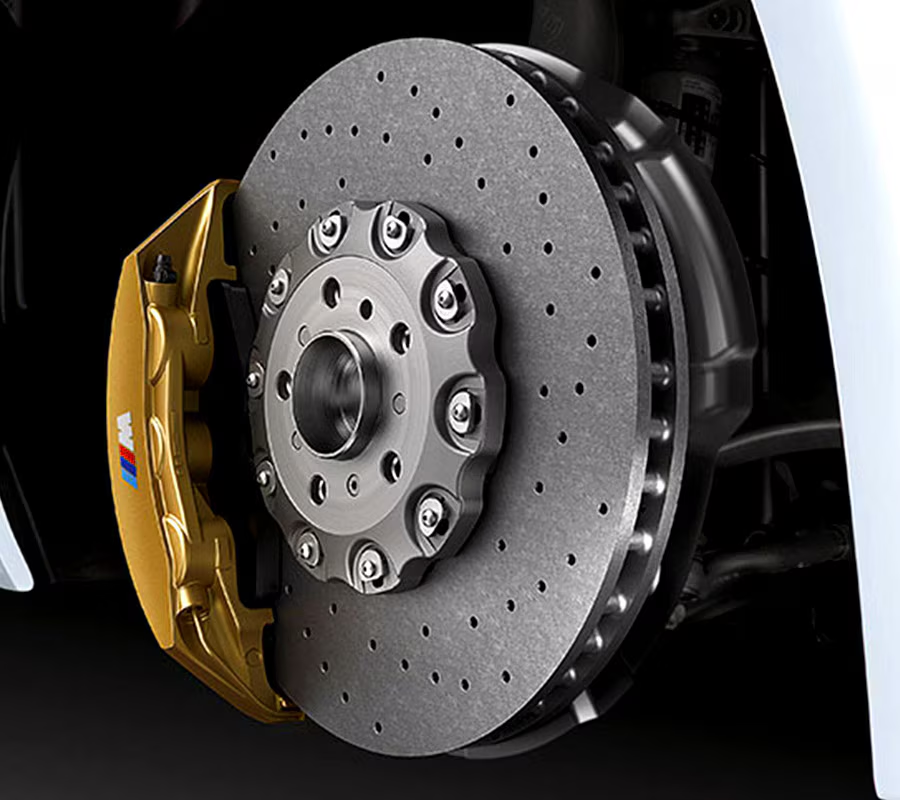
First introduced with the m6 in 2012 bmw has equipped the carbon ceramic brakes on the m5 m3 and m4 and customers of these cars often ponder whether the bmw s trademark golden calipers worth the extra cost.
Disc brakes use friction to convert kinetic energy into heat energy.
Normal brakes effectiveness is low when the braking components get hot which.
The bmw carbon ceramic brakes are supplied by brembo a well known brand to supply braking components.
This prevents the brake disc from becoming deformed under demanding braking and helps to keep the vehicle as a whole cool too.
Hydraulically actuated disc brakes are the most commonly used.
Ceramic brake pads cause much less noise in comparison to metallic brake pads because they are not as abrasive.
Averi melcher january 15 2020.
Metallic brake pads perform better under the intense demands of racing heavy trucking and police work.
Semi metallic fully metallic and ceramic brake pads are typically the longest lasting brake pads available but organic brake pads tend to wear down your rotors and discs at a slower rate than.
This action slows the rotation of a shaft such as a vehicle axle either to reduce its rotational speed or to hold it stationary the energy of motion is converted into waste heat which must be dispersed.
Brake pads in modern vehicles are either ceramic or metallic ceramic brake pads are usually more expensive but offer superior performance for casual drivers.
In the real world though not every brake pad.
A filling the mold b inserts the aluminum cores c pressing the ingredients together d extracting the disc ring e preparing for siliconization.
As below the carbon ceramic brakes for road cars are not derived from the carbon brakes on f1 cars so f1 hasn t provided a proving ground for this technology.